Ginza Jewelry District
Tokyo's premier luxury jewellery quarter — and the home of the cultured pearl, where Mikimoto opened in 1899
Luxury retail
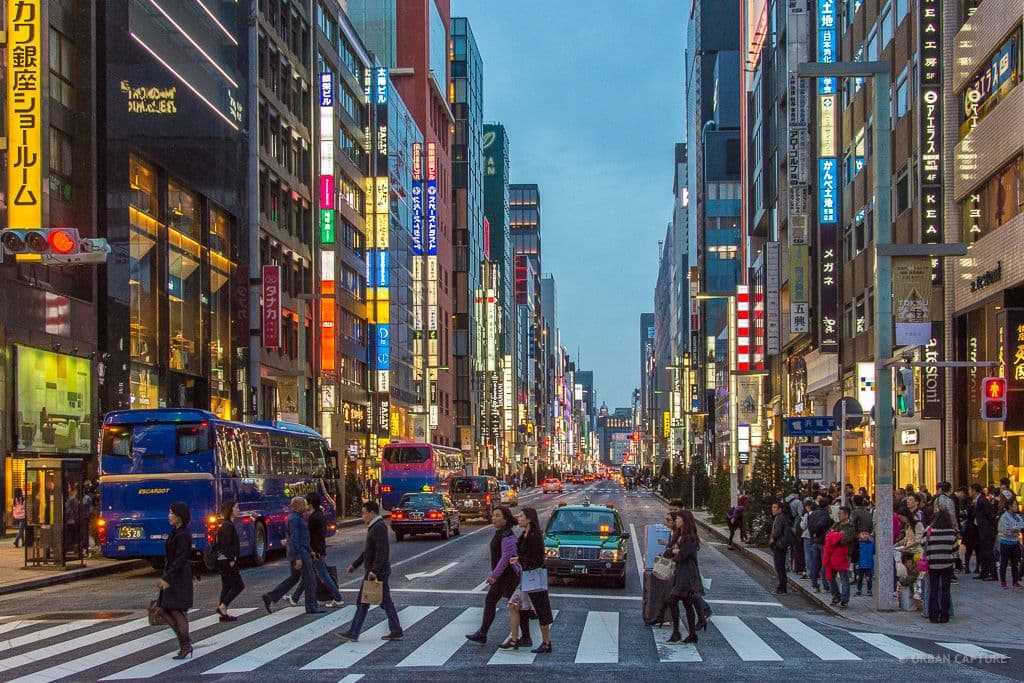
Ginza is Tokyo's premier jewellery quarter: a refined concentration of global flagship maisons, historic Japanese pearl houses, and discreet atelier showrooms along Chūō-dōri and the surrounding blocks. The district is best known for museum-quality pearl salons (led historically by Mikimoto, who created the first cultured pearl in 1893 and opened in Ginza in 1899), high-jewellery flagships, and a polished retail environment where craftsmanship and presentation are paramount.
What sets Ginza apart is the blend of precise Japanese craftsmanship and international luxury. Expect minimalist, highly curated window displays, appointment-ready showrooms, and boutiques that emphasize material, finish, and service. Alongside large department-store salons and the sleek GINZA SIX complex, small ateliers and bespoke jewellers preserve traditional techniques while pushing contemporary design.
Historically rooted in refined commerce (the name Ginza recalls the Edo-period silver mint), the neighbourhood became a centre for cultured pearls and modern jewellery retail in the 20th century. Today Ginza balances heritage and innovation: ideal for collectors, connoisseurs, and anyone seeking both classic pearl pieces and cutting-edge Japanese design.
Planning to visit or buy in Ginza Jewelry District?
Getting there and when to go, what a fair price looks like, how to verify what you're buying, and how to spot a fake — the practical, no-nonsense guide.
Read the buyer's guideWorked here
A gemstone is rarely mined, cut, dealt and sold in the same place — those are four different trades. Here is Ginza Jewelry District's part in that journey: the stones it handles, and exactly what it does with each.
- Trade
- dealt and wholesaled here
- Sell
- sold to the public here
- PearlTradeSell
Ginza sells the pearl; the coastal bays grow it — because a cultured pearl is farmed inside a living oyster, not dug from the ground. Kokichi Mikimoto harvested the first cultured pearl in 1893 and opened on Ginza in 1899, founding Japan's modern jewellery trade. Two things few buyers know: the “Japanese” Akoya pearl is grown around an imported bead cut from Mississippi-river mussel shell — its heart is American — and nearly every white pearl is bleached and “pinked” as standard, a manufactured colour the codes don't require disclosing. Japan's Akoya farms have shrunk by two-thirds since the 1990s as Chinese freshwater pearls flooded the world.
The pearl gemstone
Makers & Houses
The cultured pearl was invented in Ginza: Kokichi Mikimoto raised the first Akoya at Ago Bay in 1893 and patented the method in 1896. The street is still Japan's flagship pearl block, where vertically integrated houses farm Akoya on the Mie and Nagasaki coasts and sell from the 4-chome and 6-chome corners.
- Ago Bay / Ise-ShimaSource
- KobeTreat
- GinzaSell
Mikimoto
株式会社ミキモト · K. Mikimoto & Co.Known for the cultured Akoya pearl (first hemispherical 1893, first spherical 1905)
Kokichi Mikimoto produced the world's first cultured pearl, a hemispherical Akoya raised at Ago Bay in 1893, and patented the method in 1896. His first pearl shop opened on Ginza in 1899, and the maison's flagship still anchors Ginza 4-chome.
Tasaki
株式会社TASAKI · 旧 田崎真珠Known for in-house Akoya pearl strands; pioneering Japanese cultured Mabe (winged) pearls
A vertically integrated pearl house that farms Akoya in Nagasaki and Ise-Shima, grades and processes at its Kobe site, and retails through its Ginza flagship. By its own account it was the first in the world to farm the winged Mabe pearl, in 1970.
Wako
和光 · SEIKO HOUSE GINZAKnown for Japanese Akoya pearl jewellery and fine jewels
Retail heir to K. Hattori's 1881 Ginza watch-and-jewellery shop (now Seiko), selling Wako-designed Akoya pearl jewellery from the landmark clock-tower corner at Ginza 4-chome.
Uyeda Jeweller
植田商店 · Ueda ShōtenKnown for Western-style Akoya and South Sea pearl jewellery
Founded on Ginza in 1884 and still run by the founding family across four generations. It shifted to cultured pearls by the late 1950s and describes itself as the oldest surviving jeweller in Japan.
- Tokyo Pearl (東京真珠) · Ginza 6-chome pearl & diamond dealer; heritage claims company-sourced
On the map
- Chuo Dori (main street)
- Ginza 4-chome crossing
In the district
Walk the district
Traveller notes
The Ginza Jewelry District is a must-visit destination for jewellery enthusiasts and travelers curious about the craft. Beyond its flagship boutiques and gleaming storefronts, Ginza offers an intimate look at both historic and contemporary jewellery traditions — from century-old pearl houses and artisanal ateliers to cutting-edge concept stores and curated exhibitions.
Stroll the tree-lined avenue of Chūō-dōri and sidestep into quieter side streets to find small workshops where master craftsmen and designers refine techniques passed down through generations. Visit flagship salons for elegant display of high jewellery and pearls, then compare those with boutique studios where bespoke pieces are conceived and hand-finished. Between stops, enjoy Ginza's refined cafés and galleries that often host jewellery-themed shows and talks.
- Time your visit for weekday mornings when shop windows are calm and staff can offer more detailed explanations.
- Don't miss Mikimoto's flagship store to see pearl craftsmanship and curated collections.
- Look for small atelier doors and appointment-only showrooms for authentic, behind-the-scenes experiences.
- Pair your walk with a stop at Ginza's cultural sites (Wako clocktower, GINZA SIX) to get the full historic + modern contrast.