October Birthstone: Opal & Tourmaline
October's birthstones are opal and tourmaline. Opal is play-of-colour and traditionally associated with creativity, hope; Tourmaline is every colour and traditionally associated with balance, inspiration.
Modern U.S. list · reviewed by MyPiece Editorial · 2026-08-04
- Stones
- Opal & Tourmaline
- Colour
- Opal: play-of-colour · Tourmaline: every colour
- Hardness
- Opal: Mohs 5.5–6.5 · Tourmaline: Mohs 7–7.5
- Zodiac
- Libra · Scorpio
Opal
Modern U.S. list · term opal
Opal isn't crystalline like other gems — it's a lattice of tiny silica spheres that split light into shifting flashes of colour, a different fire in every single stone. That water-born structure also makes it soft and delicate: it can craze if it dries out. Australia's outback, around Coober Pedy and Lightning Ridge, yields roughly 95% of the world's precious opal.
Traditionally a symbol of creativity, hope, and Mohs 5.5–6.5 — softer, so wear it gently and clean it with care. How to care for it →
Where does opal come from?
Opal is mined around Coober Pedy, Australia. One of Australia's best-known precious-opal fields.
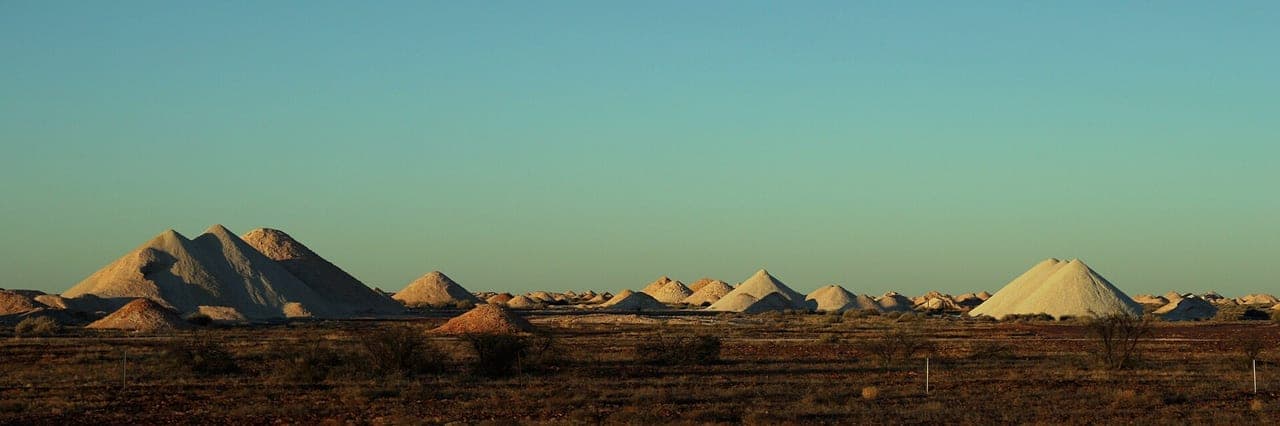
Mined around Coober Pedy, Australia
South Australia · Australia
One of Australia's best-known precious-opal fields.
Where is opal cut and traded?
Opal is cut and traded in Coober Pedy & Lightning Ridge, Australia.
Tourmaline
Modern U.S. list · term tourmaline
The gem of every colour — a single crystal can shade from pink to green in the same stone ('watermelon' tourmaline). It carries a quirk of physics: warm it or rub it and it develops a static electric charge, drawing up ash and dust, which is how Dutch traders first told it apart from other stones.
Traditionally a symbol of balance, inspiration, and Mohs 7–7.5 — tough enough for everyday wear. How to care for it →
Where does tourmaline come from?
Tourmaline is mined around Minas Gerais, Brazil. A major source; tourmaline is also sourced from Nigeria, Afghanistan and California.

Mined around Minas Gerais, Brazil
Minas Gerais · Brazil
A major source; tourmaline is also sourced from Nigeria, Afghanistan and California.
Where is tourmaline cut and traded?
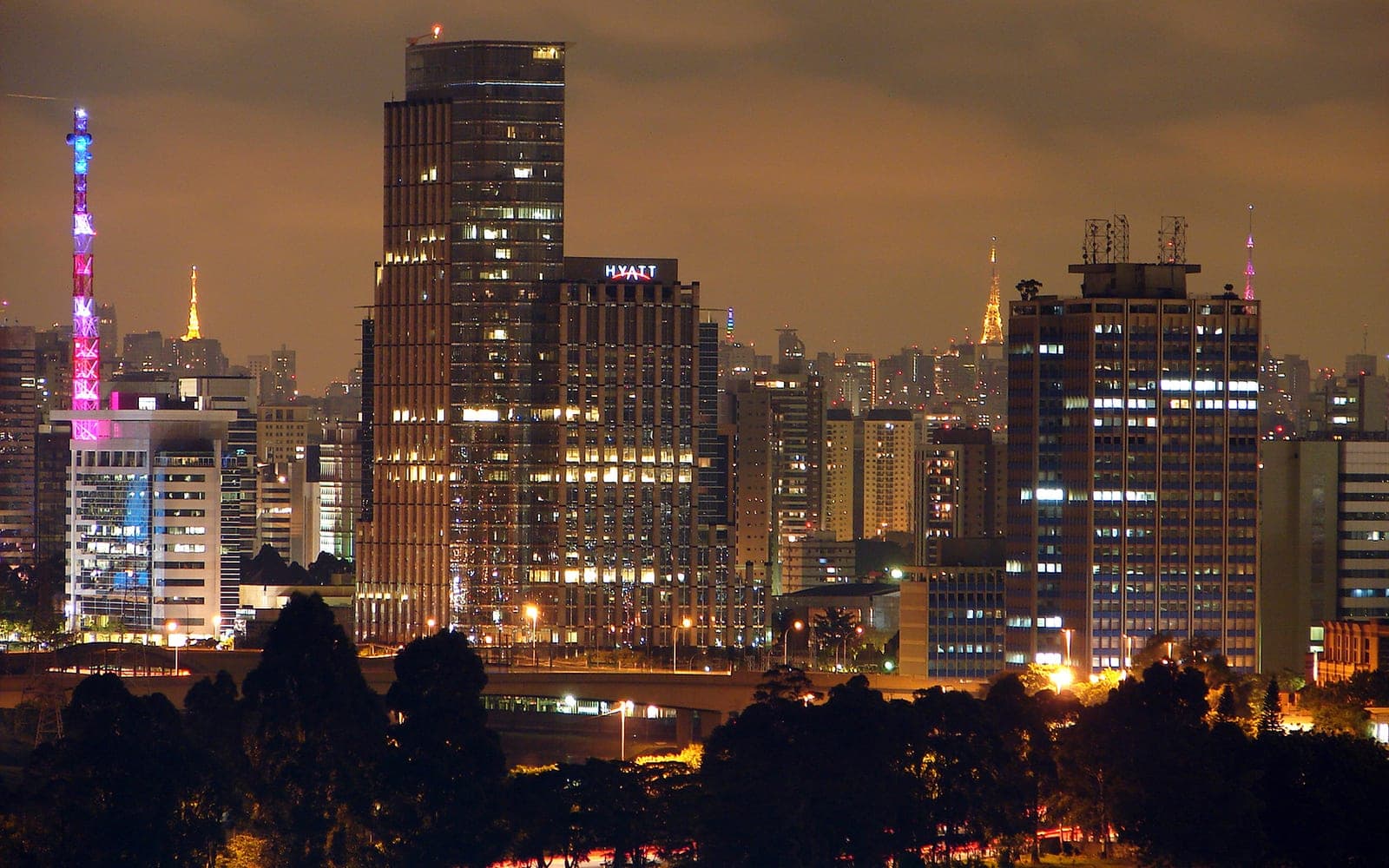
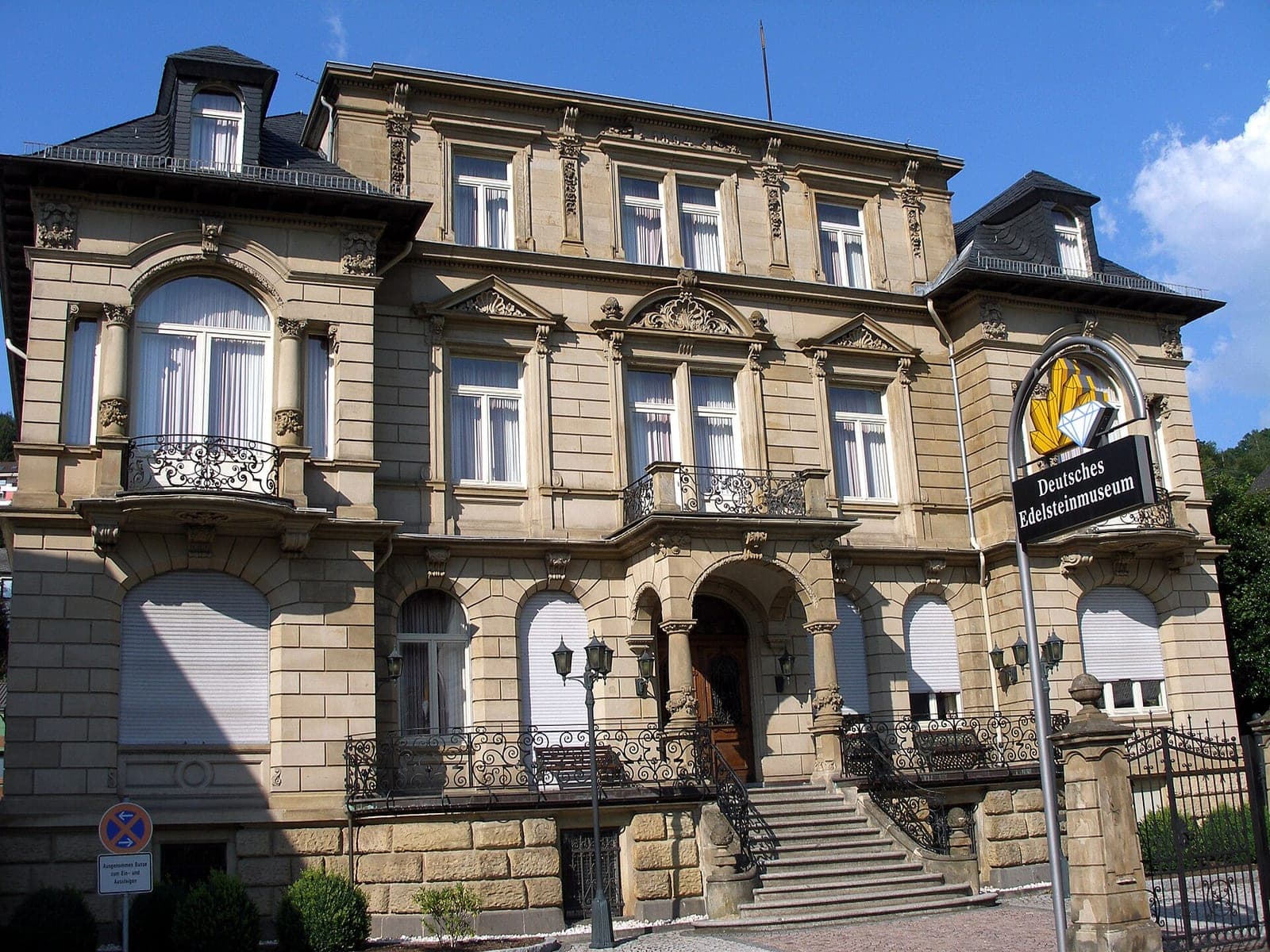
Tourmaline is cut and traded in São Paulo, Brazil and Idar-Oberstein, Germany.
Modern & traditional
Birthstone lists have shifted across cultures and centuries. This page follows the Jewelers of America modern U.S. list. Opal & Tourmaline are the modern listed stones for October. Opal is October's traditional stone; tourmaline joined it on the modern list in 1912.
Common questions
What is October's birthstone?
October's birthstones are opal and tourmaline. Opal is October's traditional stone; tourmaline joined it on the modern list in 1912.
What colour is October's birthstone?
October's stones span opal (play-of-colour) and tourmaline (every colour).
What does October's birthstone mean?
Opal traditionally stands for creativity, hope; Tourmaline traditionally stands for balance, inspiration — associations carried by custom, not science.
Why does October have two birthstones?
Birthstone lists evolved across cultures and eras. On the modern U.S. list maintained by Jewelers of America, October carries opal and tourmaline; traditional and regional lists may differ.
Where are opal and tourmaline sourced?
Opal is mined around Coober Pedy, Australia. One of Australia's best-known precious-opal fields. Tourmaline is mined around Minas Gerais, Brazil. A major source; tourmaline is also sourced from Nigeria, Afghanistan and California.
What is the Libra and Scorpio birthstone?
October runs from Libra into Scorpio, and opal & tourmaline serve both in the calendar-month list. Sign-based tables can use different traditions.
Which October birthstone should you choose?
Opal is play-of-colour and Mohs 5.5–6.5, so a protected setting and gentler wear matter; Tourmaline is every colour and Mohs 7–7.5, making it more suitable for frequent wear. Choose by colour, intended wear, setting protection, and which tradition or source story matters to the wearer.
Can you wear October's birthstones every day?
Opal is Mohs 5.5–6.5; use a protected setting and avoid repeated knocks, scratches and harsh cleaning; Tourmaline is Mohs 7–7.5 and is generally more suitable for frequent wear. Hardness is only one care factor, so the setting and the stone's condition still matter.
Sources & further reading
Opal
- GIA - Opal Descriptionchecked 2026-08-04
- Wikipedia - Coober Pedychecked 2026-08-04
- Wikipedia - Lightning Ridge, New South Waleschecked 2026-08-04
Tourmaline
- GIA - Tourmaline Descriptionchecked 2026-08-04
- GIA - The Lapidary Tradition of Idar-Obersteinchecked 2026-08-04
- Wikipedia - Tourmalinechecked 2026-08-04